Engineering 100-400
Introduction: Autonomous Vehicles
Contents
Tip: Use the toggle at top-right to switch between slide view and article mode.
Trends
- Safety, robustness, and verification are as important as raw capability.
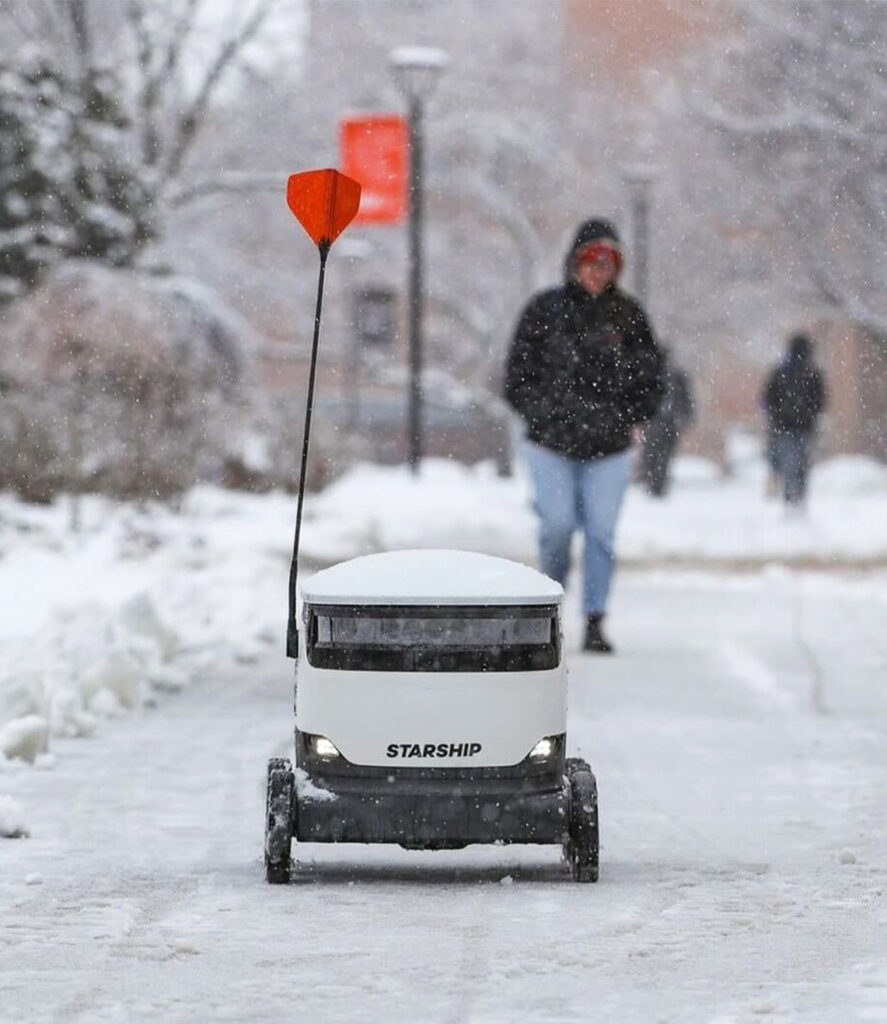
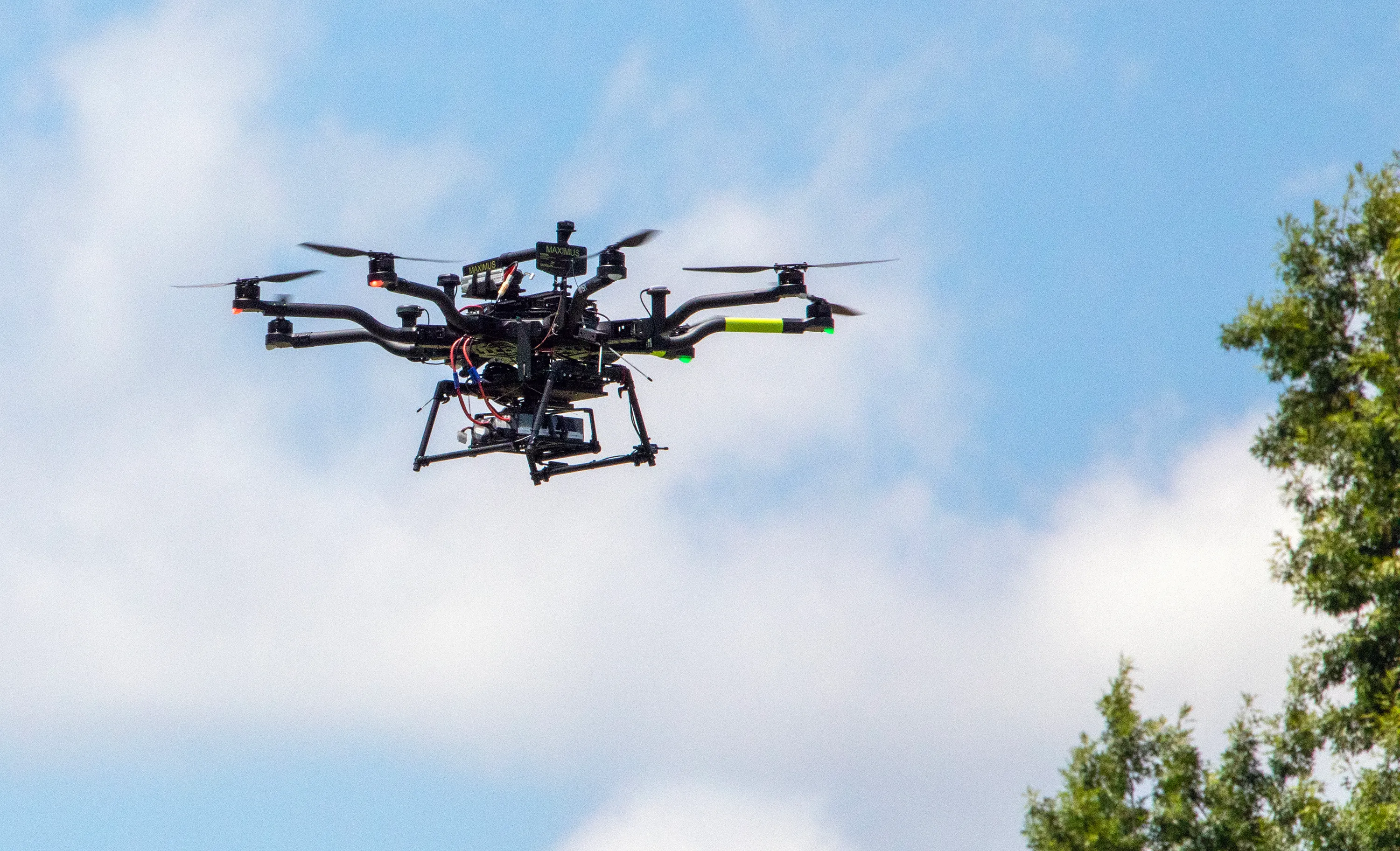
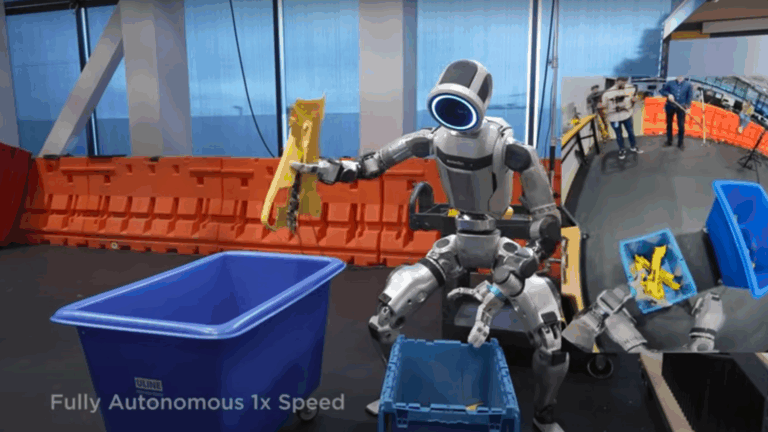
- From drones to cars to delivery robots: autonomy is everywhere.
- Rapid advances in sensing, compute, and AI for autonomous systems.
- AI/compute platforms: NVIDIA Jetson Orin

- Autonomy in the wild: Waymo robotaxi, FAA drones, Starship delivery
Modern electronic system
Hover or click legend items to highlight components. The top pipeline shows the data flow: Sensors → Signal processing → Perception → Planning → Control.
Self‑driving cars
- Power & Control
- Actuation: steering, throttle, braking.
- Control: PID / MPC for trajectory tracking.
- Vision & Perception
- Lane/pedestrian/vehicle detection and tracking.
- Localization and mapping (SLAM/HD maps).
- Data
- Onboard logging, datasets, simulation.
- Brains of the car
- Path planning.
- Evaluating risks.
- Prioritizing objectives.
Goals
- Understand the challenges and technologies of autonomous vehicles.
- Communicate complex engineering concepts clearly.
- Collaborate effectively on a complex engineered system.
- Hands‑on experience with a relevant AV platform.
- Engineering ethics: social and environmental implications.
- Safety protocols and practices.
Goals when in the lab
- Safety protocols and practices to avoid injuries and damage.
- Hands‑on learning with sensors, compute, and control.
- Team communication and coordination.
Technical course components
Mixed‑format lectures
- Pre-reading before technical lectures (required)
- (some) Conventional content delivery, lecturing
- In class discussions, break into groups
- Benefit: get to know you better
- Benefit: satisfy participation goals
- Benefit: reduced homework as we can interact with you more closely
Labs
- Primarily for technology, guided early, more open‑ended later, team‑oriented
- Lab assignments cement the knowledge
- Concepts further cemented in separate discussion sessions
Project
Core: teach a car to autonomously navigate a maze
- Contains a structured component: fixed maze
- Design component: add some functionality (within limits)
- Your choice: add sensors/actuators, software features, or performance improvements.
- Goals can target maze performance or other functionality.
- Requires approval by instructors.
Safety
- Always keep hands clear of moving wheels and gears.
- Wear safety glasses when cutting, soldering, or testing hardware.
- Handle batteries carefully; avoid shorts; charge with approved chargers.
- Test on the track when safe.
Accidents and "accidents"
- Physical hazards: moving parts, high currents, sharp edges.
- Operational hazards: unintended motion, runaway control.
- Ethical hazards: misuse, privacy, and societal impacts.
This newborn technology's path will be determined by those who advance it.
Next technical lecture
- Abstractions
- Preparation for first lab.
- Safety training in this week's lab session.